The practice of yoga has gained significant popularity over the years, often touted for its myriad benefits to physical health, mental clarity, and emotional well-being. However, a common question arises: is it better to practice yoga in the morning or the evening? Additionally, what are the effects of skipping these routines altogether? This article explores the nuances of both morning and evening yoga practices while considering their implications on daily life.
The Case for Morning Yoga
Starting your day with a morning yoga routine can set a positive tone for the hours ahead. Research suggests that engaging in physical activity early in the day can boost energy levels and enhance mood. Morning yoga serves as an excellent way to awaken both the body and mind. Poses like sun salutations help to stretch out tight muscles, increase blood flow, and stimulate vital organs. This routine can be particularly beneficial for those who tend to feel sluggish upon waking.
One of the primary benefits of morning yoga is its potential to increase focus and productivity throughout the day. A study conducted by researchers at Harvard University found that people who engaged in regular exercise—like yoga—reported improved concentration and cognitive function. This could be attributed to increased blood flow to the brain along with enhanced neuroplasticity.
Incorporating breathing exercises into a morning routine also promotes mindfulness, helping individuals cultivate a sense of calm that can last throughout their hectic days. Deep breathing techniques not only reduce stress but can also improve lung capacity and respiratory efficiency.
However, some may argue that skipping a morning routine does not necessarily lead to negative consequences. People have different circadian rhythms; some may function better later in the day when they feel more awake and energetic. If you find yourself consistently hitting snooze or feeling rushed in the morning, forcing yourself into a yoga session may lead to frustration rather than relaxation.
The Appeal of Evening Yoga
On the other hand, practicing yoga in the evening offers unique advantages that cater specifically to winding down from a busy day. Evening yoga routines often emphasize relaxation through restorative poses and deep stretching techniques that prepare both body and mind for restful sleep. By focusing on poses such as child's pose or legs-up-the-wall, individuals can relieve tension accumulated throughout their day.
Yoga before bed serves as an effective way to transition from an active lifestyle into a more tranquil state conducive to sleep. A systematic review published in 2015 indicated that participants who practiced yoga regularly reported better sleep quality compared to those who did not engage in such practices.
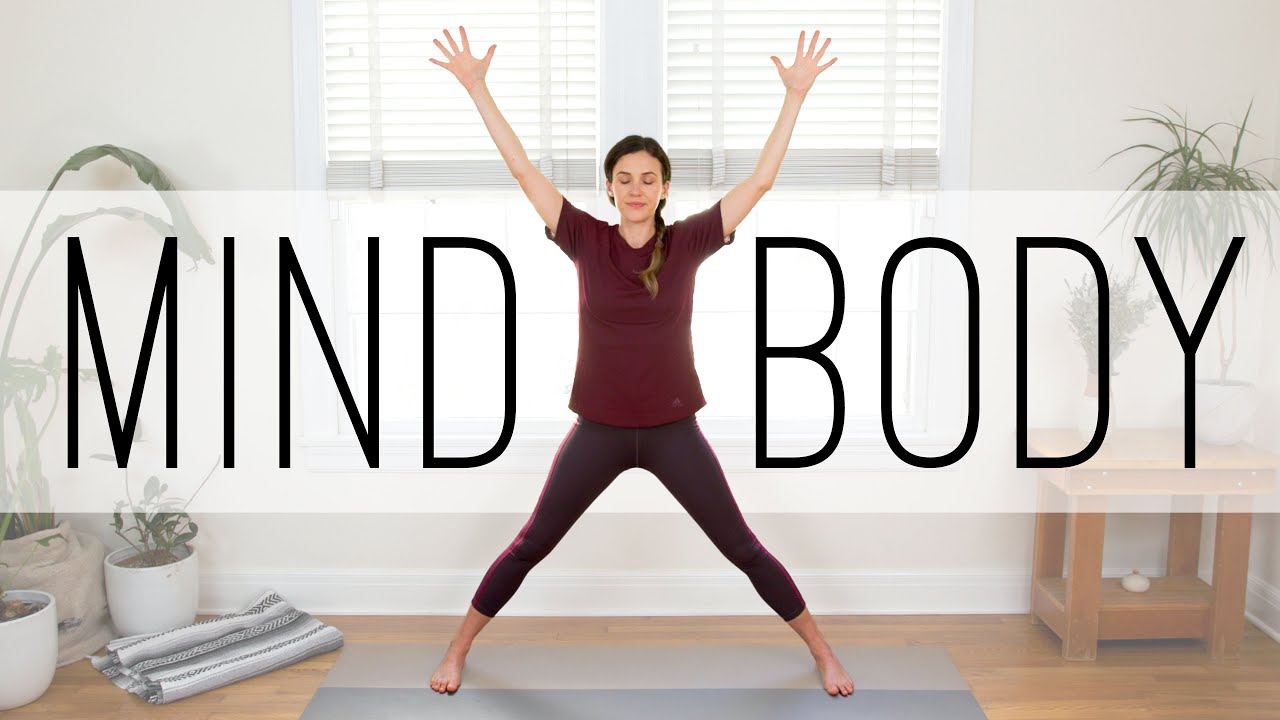
Moreover, evening routines provide an opportunity for reflection on the day's events—a chance to release pent-up emotions or stressors before rest. Engaging in meditation or gratitude practices during this time can enhance emotional well-being by promoting self-awareness.
Nevertheless, there are trade-offs associated with skipping evening practices as well. For instance, failing to incorporate calming activities at night may result in poor sleep hygiene—leading to insomnia or disturbances in sleep patterns over time.
Comparing Benefits: Morning vs Evening Yoga
When debating whether morning or Helpful site evening yoga is more beneficial, it’s essential to recognize that personal preferences play a crucial role. Some individuals thrive on early-morning energy boosts while others flourish under starlit skies as they prepare for sleep.
Key Considerations
- Energy Levels: Morning practitioners often report feeling energized after their sessions; evening yogis might experience relief from daily stresses. Mental Clarity: Early sessions can sharpen focus for work tasks ahead; late sessions may facilitate clarity through introspection. Sleep Quality: While morning routines aim at energizing you for the day ahead, evening routines target relaxation leading up to bedtime. Flexibility: Morning routines might require waking up earlier; evening practices allow flexibility depending on post-work schedules.
Ultimately, finding what works best depends on individual lifestyles and preferences—hence no one-size-fits-all answer exists.
Circadian Rhythm's Role
Understanding how your body's internal clock interacts with your practice can further inform your decision-making process regarding daily timing for yoga sessions. Circadian rhythms influence not only sleeping patterns but also peak times for physical performance and mental acuity throughout each day.
For those aligned with an early bird schedule, integrating morning yoga into their lives aligns harmoniously with natural circadian peaks. Conversely, night owls might find that they are at their most flexible during late-night sessions when fatigue has eased.
By aligning your practice with these natural rhythms you stand a better chance of optimizing your experiences—whether you prefer energizing flows at dawn or gentle stretches under twilight skies.
The Consequences of Skipping
Skipping either routine entirely can lead to feelings of imbalance over time—particularly if you rely solely on sporadic bursts of activity rather than consistent engagement with your practice. Regular participation fosters familiarity with poses while enhancing strength and flexibility—a key component often lost when sessions are neglected.
Additionally, creating structured habits around either time frame helps cultivate discipline—a trait that extends beyond just physical practice into various aspects of life such as work commitments or personal goals.

Final Thoughts
Choosing between morning versus evening yoga ultimately boils down to personal preference intertwined with lifestyle demands and energy levels throughout each day. While both practices offer distinct advantages conducive towards healthful living—the key lies in consistency rather than strict adherence alone.
Whether you greet each sunrise with sun salutations or unwind beneath moonlit skies through gentle stretches—the most important aspect remains cultivating mindfulness within whichever routine best suits your needs over time. Embrace what resonates most deeply within yourself—it is here where true transformation begins.