In our fast-paced world, stress has become an unwelcome companion for many. Whether it's work deadlines, family responsibilities, or personal challenges, the toll can be significant. This is where restorative yoga comes in, offering a gentle pathway to emotional and physical balance. By focusing on relaxation and breath control, restorative yoga provides a sanctuary for those seeking relief from stress and a deeper connection to their bodies.
Restorative yoga emphasizes long-held poses supported by props, allowing you to enter a state of deep relaxation. This practice helps calm the nervous system, which is essential for managing stress levels. Unlike more vigorous styles of yoga that might leave you feeling energized but still tense, restorative yoga fosters a sense of tranquility that can help reset your mind and body.
The Benefits of Restorative Yoga
Engaging regularly in restorative yoga can yield numerous benefits. For starters, it promotes relaxation by activating the parasympathetic nervous system—often referred to as the "rest and digest" system. This shift allows your body to recover from stress-related symptoms like anxiety and fatigue.
Additionally, restorative yoga encourages mindfulness—a practice that has been shown to enhance emotional resilience and improve mental clarity. When you focus on your breath during these gentle poses, you create space for self-awareness and introspection. This process can lead to better emotional balance and coping mechanisms when faced with life's inevitable challenges.
Key Poses for Stress Relief
While there are many poses in restorative yoga that can help relieve tension and promote relaxation, here are five key positions worth exploring:
Child's Pose (Balasana): This pose gently stretches the back while promoting calmness through deep breathing. Supported Bridge Pose (Setu Bandha Sarvangasana): Using props like blocks or bolsters under the hips allows for a soothing backbend that opens the chest. Reclining Bound Angle Pose (Supta Baddha Konasana): Lying back with the soles of the feet together encourages hip opening and relaxation. Legs-Up-the-Wall Pose (Viparita Karani): Elevating the legs aids circulation while bringing a sense of peace. Savasana (Corpse Pose): Often seen as the final resting pose in any yoga class, Savasana allows you to absorb the benefits of your practice.These poses serve not just as physical postures but as tools for calming both body and mind.
Integrating Breathwork
Breath is at the heart of any effective yoga practice, especially in restorative settings where breathing techniques can deepen your experience. Practicing pranayama—yogic breath control—helps regulate the nervous system while fostering relaxation.
A simple technique involves inhaling deeply through your nose for a count of four, holding your breath for another four counts, then exhaling slowly through your mouth for six counts. Engaging in this rhythmic breathing during restorative poses enhances feelings of serenity.


Creating Your Home Practice
For those looking to incorporate restorative yoga into their routine at home, setting up a dedicated space is beneficial. Choose a quiet area where distractions are minimal; this will signal to your mind that it's time to unwind. Gather props such as blankets, bolsters, or cushions which provide support during longer holds.
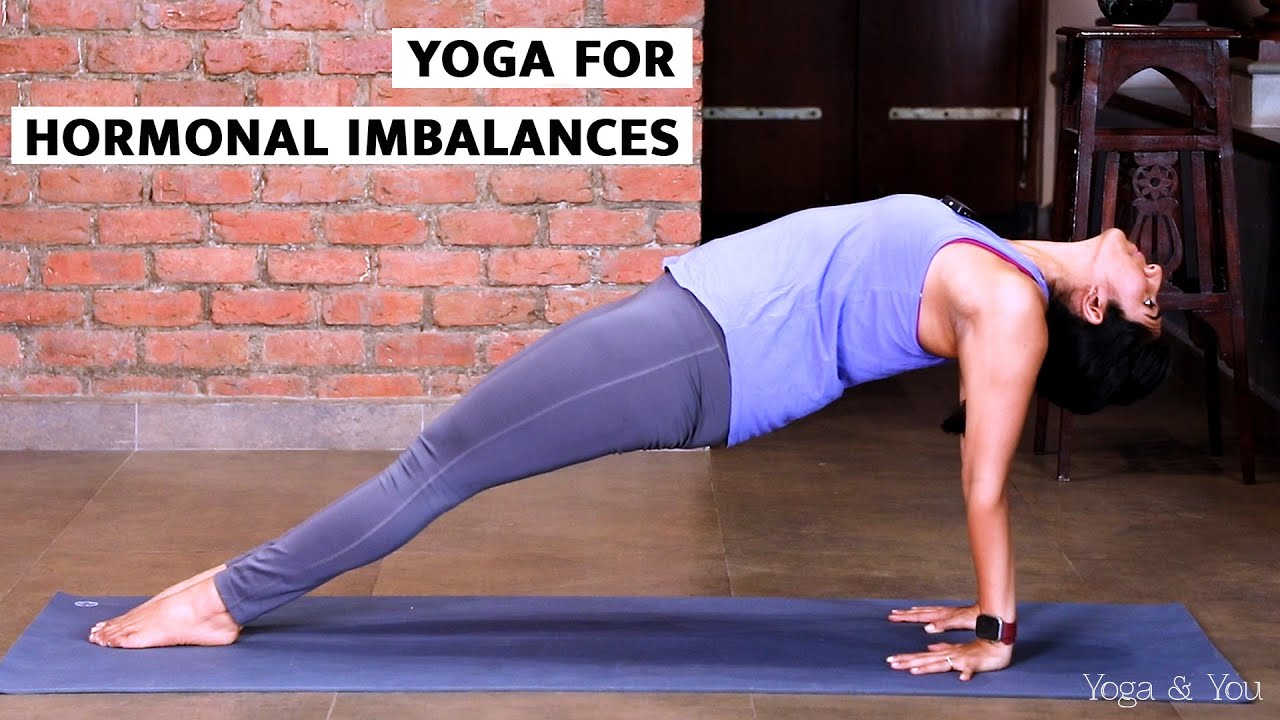
Consider establishing a consistent time each week dedicated solely to this practice—whether it’s Sunday evening before a new week starts or midweek to break up routine stresses. Just 20 minutes can make a noticeable difference in how you feel physically and emotionally.
Overcoming Barriers
Many people hesitate to try restorative yoga due to misconceptions about flexibility or strength requirements. However, this style welcomes all bodies regardless of fitness level or prior experience with yoga practices. Modifications are often built into each pose; using props is encouraged rather than shunned.
If you find yourself struggling with tight hips or hamstrings—common issues among beginners—focus on gentle modifications that accommodate your comfort level without pushing limits too far.
Finding Community Support
Joining community classes can further enhance your experience with restorative yoga if you're comfortable doing so. Sharing space with others who seek similar benefits fosters connection and motivation while also providing an opportunity for collective healing experiences.
Many studios offer beginner-friendly classes designed specifically around gentle movements combined with mindfulness practices tailored toward anxiety relief or stress reduction.
Conclusion
Restorative yoga is more than just stretching; it embodies an entire philosophy focused on nurturing both body and spirit through attentive awareness paired with gentle movement. As you dive deeper into this soothing practice over time—allowing yourself moments of stillness—you may find enhanced emotional balance along with newfound resilience amid life’s pressures.
Adopting these practices could transform not only how you handle stress but also how you perceive yourself within moments of chaos—a true gift in today’s demanding world. Embrace restoration through softness; let it guide you More help toward greater harmony within yourself.